VIA Rail Toronto Maintenance Centre 2026 | Operations, Services, Facilities & Rail Network Support
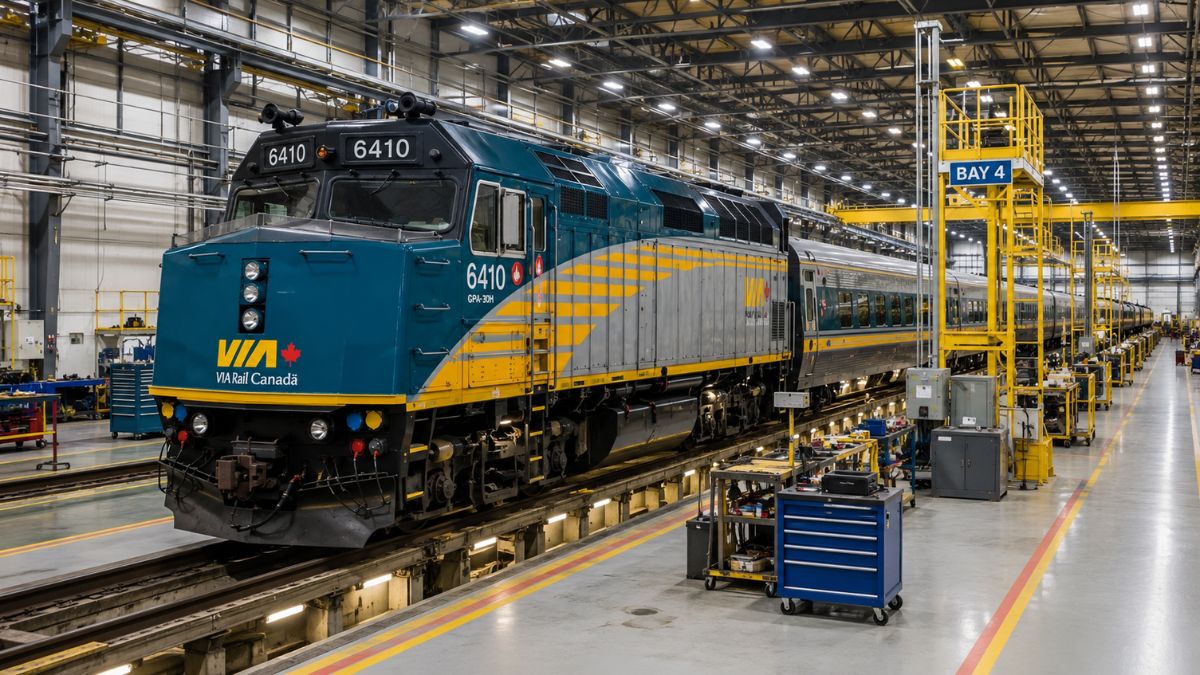
The VIA Rail Toronto Maintenance Centre (TMC) plays a vital role in keeping Canada’s passenger rail network operating safely, efficiently, and reliably. While passengers often focus on train schedules and onboard amenities, every successful journey begins long before a train reaches the platform. Behind the scenes, highly trained engineers, technicians, mechanics, and operations specialists work around the clock to inspect, maintain, repair, and prepare VIA Rail’s fleet for daily service.
Located within the Greater Toronto Area, the Toronto Maintenance Centre supports one of the busiest sections of Canada’s passenger rail network. It services trains operating throughout the Québec City–Windsor Corridor, Canada’s highest-volume passenger rail corridor, where millions of travellers rely on dependable service each year.
Whether you’re travelling for business, leisure, or visiting family, understanding the importance of the Toronto Maintenance Centre provides valuable insight into the extensive work that helps ensure safe and comfortable rail travel.
If you’re planning your next trip and need assistance with reservations, schedules, or available fare options, contact VIA Rail Ticket Deals at +1 (888) 883-3205 for professional booking support.
Overview of the VIA Rail Toronto Maintenance Centre
The Toronto Maintenance Centre serves as one of VIA Rail Canada’s primary maintenance facilities responsible for ensuring passenger trains remain operational, safe, clean, and ready for service.
Its responsibilities extend far beyond simple repairs. The facility supports daily train operations through preventive maintenance, inspections, equipment testing, mechanical servicing, and fleet preparation.
| Maintenance Centre Overview | Details |
|---|---|
| Facility Name | VIA Rail Toronto Maintenance Centre |
| Province | Ontario |
| Primary Role | Fleet Inspection and Maintenance |
| Supports | Québec City–Windsor Corridor |
| Main Activities | Preventive Maintenance, Repairs, Cleaning, Testing |
| Fleet Supported | Corridor Passenger Trains |
| Operating Schedule | Year-round |
| Focus | Safety, Reliability and Operational Readiness |
The centre functions as a critical component of VIA Rail’s national infrastructure.
Why the Toronto Maintenance Centre Is Important
Passenger trains operate under strict safety standards. Every train must undergo regular inspections and maintenance before entering service.
The Toronto Maintenance Centre helps achieve this by:
- Performing scheduled inspections
- Maintaining mechanical systems
- Testing braking equipment
- Servicing electrical components
- Preparing trains for daily departures
- Supporting operational reliability
- Reducing unexpected service interruptions
- Improving passenger comfort
- Extending equipment lifespan
- Supporting network efficiency
Without facilities like this, maintaining reliable passenger rail operations across Central Canada would be significantly more challenging.
Key Responsibilities of the Facility
The Toronto Maintenance Centre performs a wide variety of technical and operational tasks every day.
Preventive Maintenance
Preventive maintenance is one of the most important responsibilities carried out at the facility.
Rather than waiting for equipment to fail, maintenance teams inspect trains according to scheduled maintenance intervals.
Typical work includes:
- Mechanical inspections
- Brake testing
- Wheel inspections
- Suspension checks
- Electrical diagnostics
- HVAC servicing
- Lighting inspections
- Door system testing
Preventive maintenance helps reduce service disruptions while improving passenger safety.
Fleet Inspections
Before trains enter passenger service, they undergo comprehensive inspections.
Inspection teams evaluate numerous components including:
- Wheels
- Couplers
- Suspension systems
- Safety equipment
- Passenger doors
- Emergency systems
- Interior lighting
- Communications equipment
Each inspection follows established railway safety procedures.
Mechanical Repairs
When repairs become necessary, skilled technicians restore equipment using specialized tools and testing equipment.
Common repair areas include:
- Diesel engines
- Electrical systems
- Heating systems
- Air conditioning
- Pneumatic systems
- Brake equipment
- Passenger seating
- Accessibility equipment
Efficient repairs help minimize downtime and improve fleet availability.
Fleet Cleaning and Preparation
Passengers notice clean coaches, comfortable seating, and well-maintained interiors. Much of this preparation occurs before each train enters service.
Cleaning teams typically perform:
- Interior cleaning
- Washroom sanitization
- Window cleaning
- Seat inspection
- Waste removal
- Exterior washing
- Floor maintenance
- Cabin preparation
Maintaining high cleanliness standards contributes to a better passenger experience.
Advanced Diagnostic Technology
Modern passenger trains contain sophisticated mechanical and electronic systems.
Maintenance teams use specialized diagnostic equipment to monitor:
- Engine performance
- Fuel systems
- Electrical circuits
- Brake pressure
- Computer systems
- HVAC operation
- Wheel conditions
- Safety sensors
Early detection of potential issues allows repairs before they affect service reliability.
Supporting Canada’s Busy Rail Corridor
The Toronto Maintenance Centre supports trains operating throughout Canada’s busiest passenger rail corridor.
Major destinations supported include:
- Toronto
- Ottawa
- Montréal
- Kingston
- London
- Windsor
- Oshawa
- Guildwood
- Belleville
- Brockville
Reliable maintenance ensures passengers travelling between these cities experience consistent service.
Skilled Workforce Behind Every Journey
A successful rail operation depends on experienced professionals working behind the scenes.
Departments often include:
- Mechanical engineers
- Electricians
- Heavy equipment technicians
- Fleet maintenance specialists
- Quality assurance inspectors
- Safety coordinators
- Operations planners
- Cleaning personnel
- Technical supervisors
- Logistics teams
Their combined expertise helps keep passenger trains operating safely throughout the year.
Safety Standards Followed
Rail safety remains the highest priority across all maintenance activities.
Maintenance procedures include:
- Scheduled inspections
- Component testing
- Regulatory compliance
- Equipment certification
- Documentation reviews
- Safety audits
- Emergency equipment checks
- Operational testing
These procedures help ensure trains meet stringent Canadian railway safety standards before carrying passengers.
Environmental Responsibility
Modern railway operations increasingly focus on environmental sustainability.
Maintenance practices may include:
- Responsible waste management
- Recycling of materials
- Energy-efficient equipment
- Water conservation during train washing
- Proper handling of mechanical fluids
- Reduced emissions through efficient maintenance
Maintaining equipment in optimal condition also contributes to improved fuel efficiency.
Technology Used at the Toronto Maintenance Centre
Modern maintenance facilities rely on advanced technology to improve operational efficiency.
Examples include:
- Computerized maintenance management systems
- Digital inspection records
- Predictive maintenance software
- Electronic diagnostic tools
- Automated testing equipment
- Asset tracking systems
- Fleet scheduling software
Technology enables faster maintenance while improving accuracy and reliability.
Passenger Benefits
Although passengers rarely visit the maintenance centre, they directly benefit from its operations.
Advantages include:
- More reliable departures
- Fewer unexpected delays
- Greater passenger safety
- Comfortable onboard environment
- Clean coaches
- Reliable heating and cooling
- Improved accessibility
- Better overall travel experience
Every properly maintained train contributes to smoother journeys across the network.
Fleet Maintenance Process
| Maintenance Stage | Purpose |
|---|---|
| Initial Inspection | Identify maintenance needs |
| Diagnostic Testing | Detect hidden issues |
| Mechanical Repairs | Restore equipment |
| Electrical Testing | Verify system performance |
| Interior Cleaning | Prepare passenger areas |
| Safety Inspection | Confirm regulatory compliance |
| Operational Testing | Ensure service readiness |
| Final Release | Return train to service |
This structured workflow helps maintain consistent service quality.
Supporting Future Rail Operations
As passenger rail continues to evolve, maintenance centres remain essential for supporting new equipment and operational improvements.
Future priorities may include:
- More efficient maintenance procedures
- Enhanced digital monitoring
- Improved passenger comfort systems
- Energy-efficient technologies
- Fleet modernization
- Expanded operational capacity
These improvements contribute to a stronger passenger rail network across Canada.
Why Travellers Should Know About the Maintenance Centre
Understanding how trains are maintained provides greater appreciation for the reliability of Canada’s passenger rail network.
Behind every departure are countless hours of inspection, testing, planning, and maintenance that help ensure passengers enjoy safe and dependable travel.
Whether travelling on a short Corridor route or a longer intercity journey, the work performed at the Toronto Maintenance Centre directly supports your travel experience.
Need Help Booking VIA Rail Tickets?
If you’re planning to travel through Toronto or anywhere across Canada’s VIA Rail network, professional booking assistance can make planning easier.
By calling VIA Rail Ticket Deals at +1 (888) 883-3205, travellers can receive help with:
- Ticket reservations
- Schedule information
- Fare comparisons
- Travel planning
- Group bookings
- Family travel
- Business travel
- Flexible ticket options
- General travel assistance
Knowledgeable representatives can help you find travel options that best match your itinerary and budget.
Travel Planning Checklist
| Before Your Journey | Complete |
|---|---|
| Choose travel dates | ✓ |
| Compare ticket options | ✓ |
| Reserve your seat | ✓ |
| Review baggage allowance | ✓ |
| Confirm departure time | ✓ |
| Carry valid identification | ✓ |
| Arrive early at the station | ✓ |
Planning ahead helps create a smoother travel experience.